Physical Address
304 North Cardinal St.
Dorchester Center, MA 02124
Physical Address
304 North Cardinal St.
Dorchester Center, MA 02124

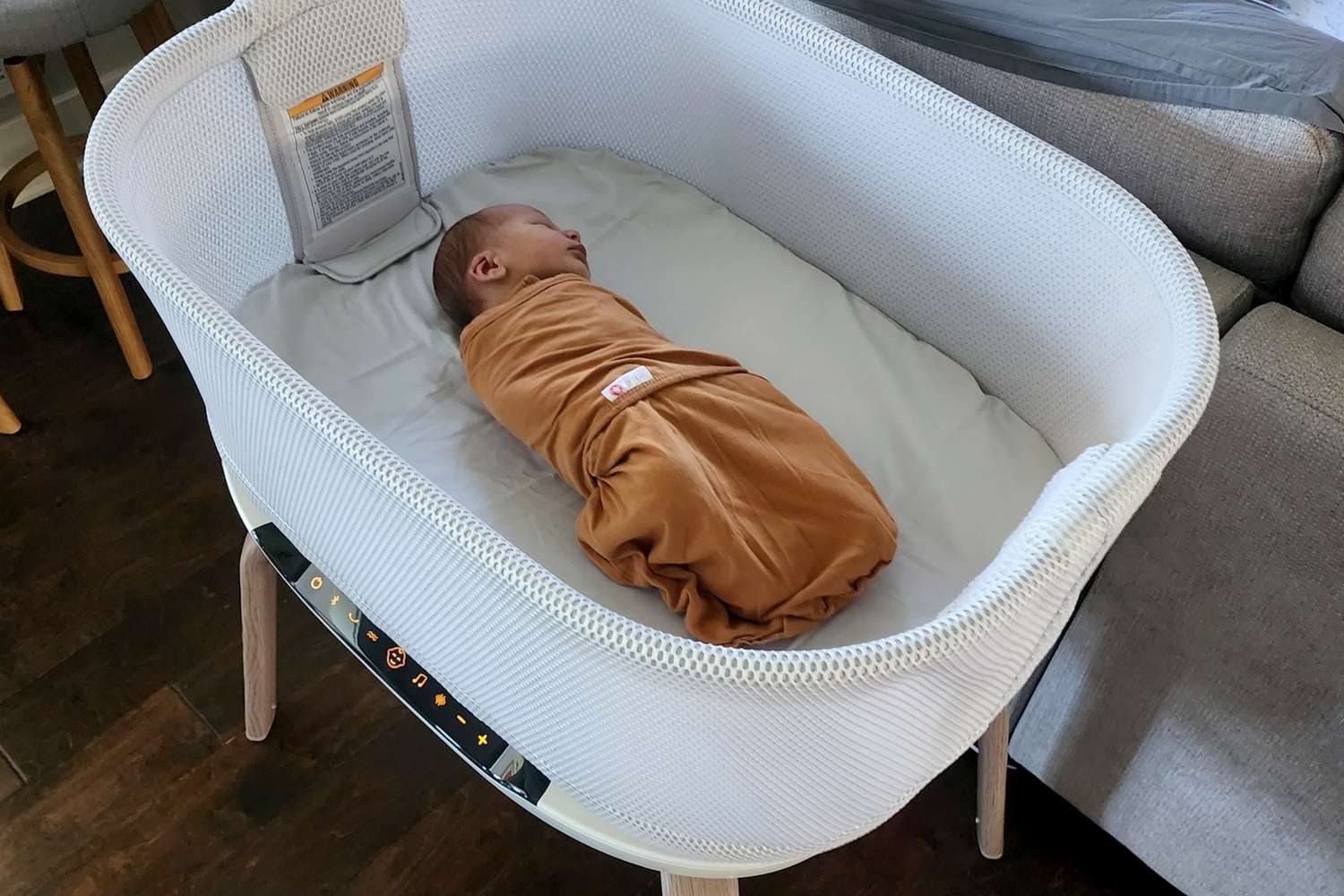
Safe sleep for babies is one of the most important topics every parent should understand. Sleep plays a vital role in infant development, but the sleep environment must be carefully managed to reduce preventable risks.
This complete guide explains safe sleep for babies, evidence-based recommendations, common mistakes, and how to create a secure sleeping environment from day one.
Our goal is to provide clear, practical guidance supported by established pediatric safety principles.
Infants spend a large portion of their early months sleeping. During this stage:
Because newborns cannot reposition themselves easily, their sleep environment must be intentionally designed for safety.
Understanding safe sleep for babies significantly reduces preventable sleep-related incidents.
The foundation of safe sleep for babies is built around three essential principles:
Let’s examine each in detail.
Placing babies on their back for sleep is consistently recommended in pediatric guidance.
Why this matters:
Once babies can roll independently, they may reposition themselves, but starting on the back remains essential.
A firm mattress helps maintain airway alignment.
Recommended setup:
Avoid:
Soft surfaces increase suffocation risk.
Safe sleep for babies requires a minimalist approach.
Do NOT include:
An empty crib is a safer crib.
Parents often ask about sleeping arrangements.
Keeping baby’s sleep space in the same room:
✔ Allows easier monitoring
✔ Supports nighttime feeding
✔ Improves parent reassurance
Bed sharing introduces additional risks due to:
Parents should carefully evaluate safety guidelines before making sleep decisions.
Overheating can increase sleep risks.
To support safe sleep for babies:
Look for signs of overheating such as sweating or flushed skin.
Swaddling can help newborns feel secure.
However:
Safe swaddling supports comfort without restricting movement.
Some research suggests pacifier use during sleep may support safety.
Tips:
If the pacifier falls out, there is no need to replace it.
Babies typically outgrow bassinets based on:
Transition to a crib when baby shows developmental changes.
Avoid these frequent errors:
❌ Using inclined sleepers
❌ Adding decorative crib items
❌ Allowing sleep in car seats outside travel
❌ Letting the baby nap on soft couches
❌ Using thick blankets
Safe sleep for babies requires consistency.
Use this checklist to review your setup:
✔ Baby sleeps on back
✔ Firm mattress only
✔ Fitted sheet
✔ No loose objects
✔ Safe temperature
✔ Monitor cord out of reach
Reassess setup as baby grows.
The safest position for safe sleep for babies is on their back on a firm, flat surface.
Sleep positioners are generally not recommended due to suffocation risk.
Swings are not designed for unsupervised sleep and may affect airway positioning.
Loose blankets are typically avoided during early infancy to reduce risks.
For additional medical guidance on safe sleep for babies, consult trusted pediatric resources such as:
These organizations provide updated research-backed safety recommendations.
Safe sleep for babies is not about perfection — it’s about creating a consistent, low-risk environment.
By following evidence-based sleep principles, parents can significantly reduce preventable risks while supporting healthy development.
ParentNest is committed to delivering practical, research-informed guidance to support confident parenting decisions.