Physical Address
304 North Cardinal St.
Dorchester Center, MA 02124
Physical Address
304 North Cardinal St.
Dorchester Center, MA 02124

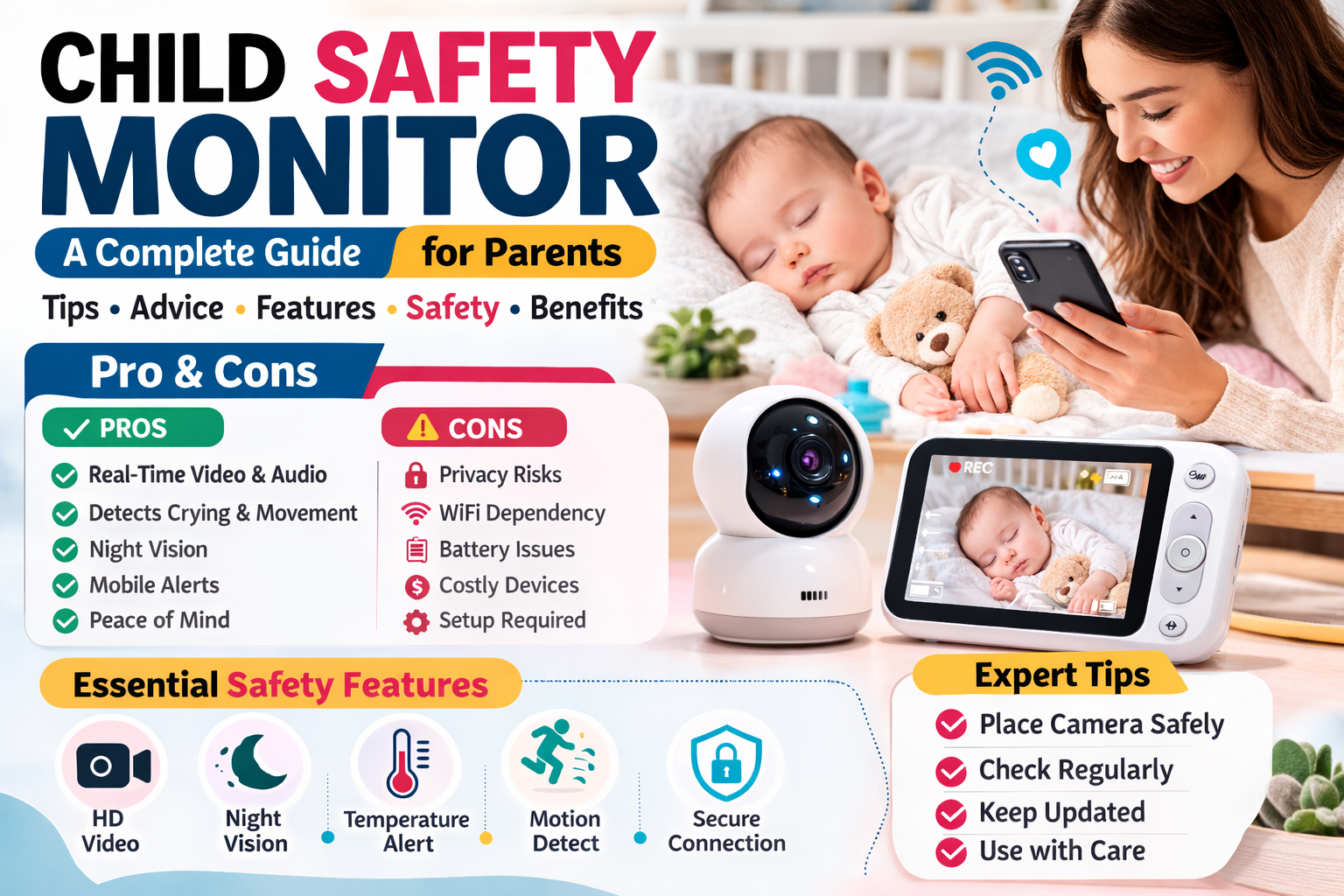
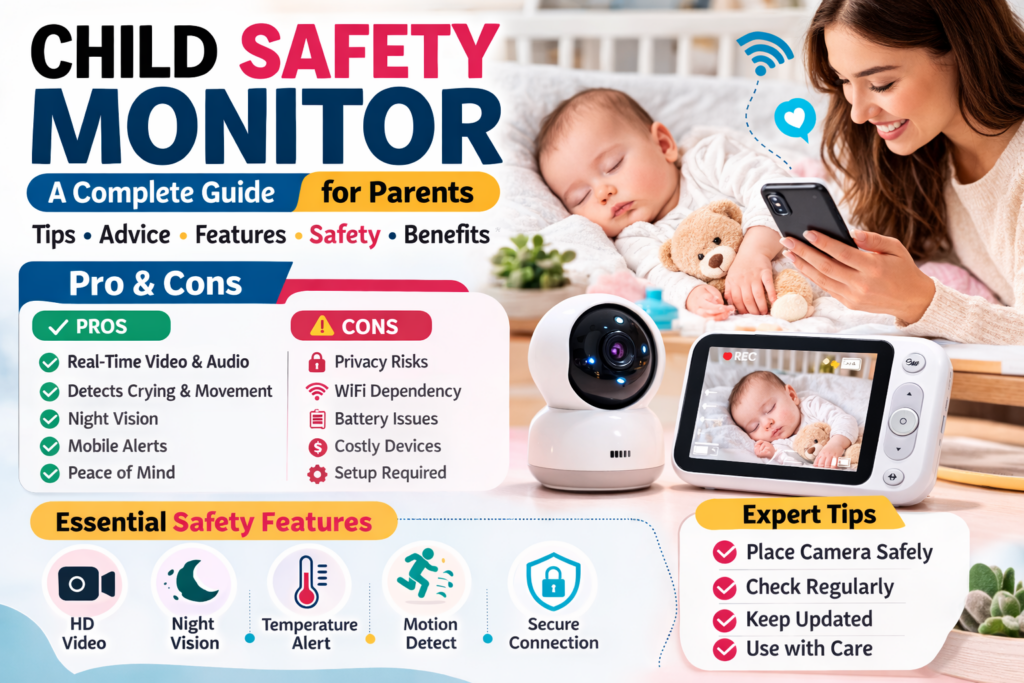
A child safety monitor is one of the most important tools modern parents use to protect newborns, toddlers, and young children at home.
Parenting today is different from even a decade ago. Homes are filled with technology, busy routines, and many responsibilities. Because of this, many parents rely on tools like a video child safety monitor or a small child safety monitor to keep their children safe while they sleep, play, or rest in another room.
For new parents, especially those caring for newborns, the fear of not hearing a baby cry or noticing a dangerous situation is real. According to organizations like the American Academy of Pediatrics (AAP) and World Health Organization (WHO), supervision and safe environments are essential to preventing child injuries.
A well-chosen Infant safety monitor allows caregivers to:
This complete guide will help you understand:
An infant safety monitor is a device that allows parents or caregivers to observe, listen to, and monitor a child remotely using audio, video, motion sensors, or smart alerts.
Most modern systems include:
These monitors help parents supervise babies even when they are in another room, improving safety and response time.
Parents cannot watch their children every second. Babies sleep, toddlers wander, and emergencies can happen quickly.
A infant safety monitor provides peace of mind and faster response time.
• Continuous observation
• Faster response to crying
• Sleep monitoring
• Safer independent play
• Reduced parental anxiety
Many pediatric experts note that infant injuries often occur during moments when caregivers step away briefly.
A monitor helps bridge that gap.
Different families have different needs. The best baby safety monitor depends on home layout, baby age, and technology preference.
| Monitor Type | Features | Best For |
|---|---|---|
| Audio Monitor | Sound alerts only | Budget-friendly monitoring |
| Video Child Safety Monitor | Live camera feed | Visual supervision |
| Wearable Monitor | Tracks breathing & heart rate | Newborn safety |
| Smart WiFi Monitor | App alerts & recordings | Tech-savvy parents |
| Small Child Safety Monitor | Compact camera units | Travel or small rooms |
Many parents ask whether they should choose a video infant safety monitor or a simple audio monitor.
| Feature | Video Monitor | Audio Monitor |
|---|---|---|
| Visual supervision | Yes | No |
| Cry detection | Yes | Yes |
| Motion alerts | Often included | No |
| Cost | Higher | Lower |
| Peace of mind | Very high | Moderate |
For newborns and infants, pediatric safety experts generally recommend video monitoring.
When selecting a dimensions child safety monitor, size matters more than most parents think.
• Camera size
• Display screen size
• Mounting options
• Distance coverage
• Portable vs fixed design
A small child safety monitor is often best for:
Larger systems with multiple cameras work well for larger homes.
Parents often wonder when to start using a child safety monitor.
Most families begin immediately after bringing their baby home.
• Baby sleeps in a separate room
• Baby rolls during sleep
• Baby has reflux or breathing concerns
• Baby moves frequently during naps
• Toddler climbs out of crib
According to pediatric guidelines referenced by Mayo Clinic, visual monitoring can help caregivers detect sleep problems and unusual breathing patterns.
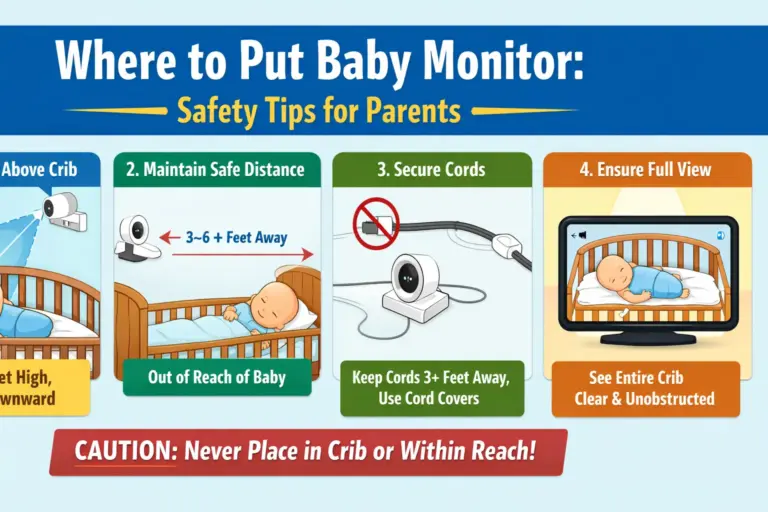
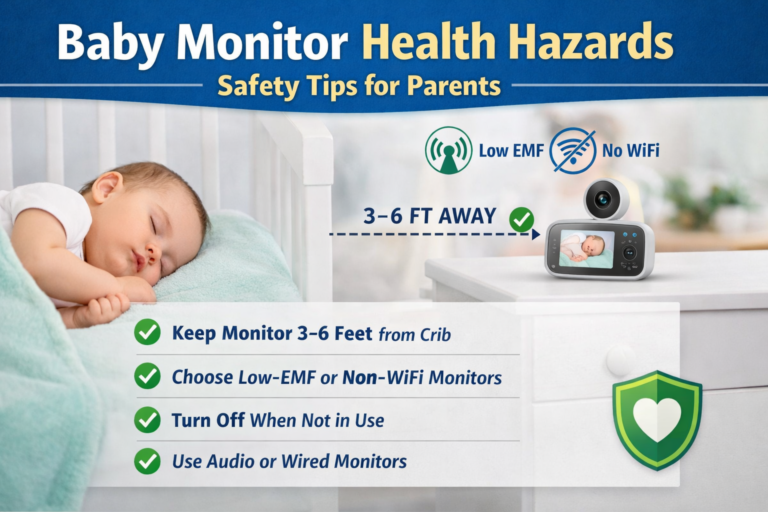
Proper placement of your child safety monitor is essential for safety and visibility.
Place the camera:
Avoid placing monitors directly inside cribs.
Ensure you can see:
Set alerts to notify you when:
Always test your video child safety monitor before bedtime.
The term child safety reform implementation monitor is often used in childcare systems and daycare regulation.
This role ensures safety policies are followed.
Responsibilities include:
Government agencies often appoint professionals to oversee safety implementation in childcare programs.
Many parents ask:
Whose role is it to set child safety policy and monitor compliance?
Responsibility is shared between several groups:
Create safe home environments.
Provide medical safety recommendations.
Implement childcare safety policies.
Monitor safety compliance.
Organizations like the Centers for Disease Control and Prevention (CDC) emphasize shared responsibility in protecting children.
Even with a child safety monitor, mistakes can reduce effectiveness.
This can create safety hazards with wires or devices.
Smart monitors require regular updates for security.
A monitor should support supervision, not replace it.
Incorrect placement may hide important areas.
Babies often wake at night.
This protects privacy.
Dead monitors defeat the purpose.
Room temperature affects infant sleep safety.
Experts from the American Academy of Pediatrics (AAP) recommend maintaining nursery temperatures between 68–72°F (20–22°C).
A child safety monitor should always be used with safe sleep practices.
Recommended by pediatric organizations:
Monitoring helps parents detect problems but does not replace safe sleep guidelines.
The best child safety monitor for newborns includes video monitoring, night vision, and motion alerts.
Yes. A video baby safety monitor allows visual supervision and improves safety.
Yes. A small child safety monitor is safe if mounted securely and placed out of reach.
Place it 5–7 feet from the crib with a clear view of the sleeping area.
Many pediatricians recommend them as helpful tools but not replacements for supervision.
Some wearable monitors track breathing and movement.
Important features include:
HD video
Night vision
Cry detection
Secure connection
Most families use them until children are 3–4 years old.
Yes, a small child safety monitor designed for travel is available.
Secure WiFi encryption reduces risk.
Trusted medical references:
A child safety monitor is one of the most valuable tools parents can use to improve home safety and peace of mind.
Whether you choose a video child safety monitor, a small child safety monitor, or a smart monitoring system, the key goal remains the same: keeping your baby safe.
When used correctly alongside safe sleep practices and attentive caregiving, a child safety monitor can help parents respond faster, reduce risk, and create a safer environment for their growing child.
Parenting will always involve worry—but the right tools make the journey safer and more manageable.
This article is for informational purposes only and does not replace professional medical advice. Always consult a pediatrician or qualified healthcare provider regarding your child’s health and safety.