Physical Address
304 North Cardinal St.
Dorchester Center, MA 02124
Physical Address
304 North Cardinal St.
Dorchester Center, MA 02124

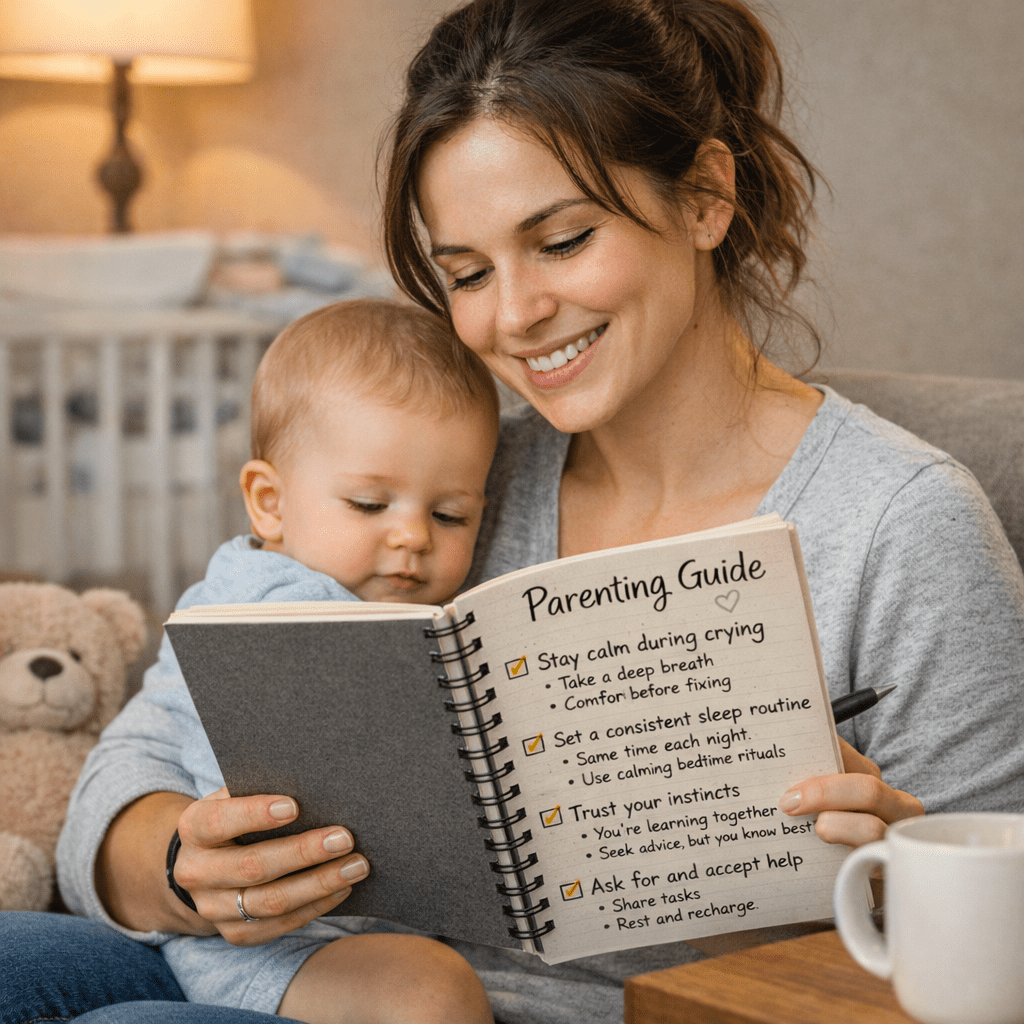
Becoming a parent changes everything.
The joy is overwhelming. The love feels endless. But so does the doubt.
Many first-time parents lie awake wondering:
“Am I doing this right?”
“Did I respond too quickly?”
“Am I harming my baby without knowing?”
The truth is simple — parenting mistakes first time parents make are incredibly common. They are part of learning. They do not define your ability to be a loving parent.
What matters most is awareness and gentle course correction.
In this complete beginner parenting guide, you’ll discover the most common new parent mistakes, why they happen, and how to confidently avoid them.
Parenting mistakes first time parents make often include overprotecting, inconsistent routines, comparing children, ignoring self-care, and reacting emotionally. These errors usually come from love and uncertainty. With supportive knowledge, realistic expectations, and consistent habits, parents can build secure attachment, emotional resilience, and healthy development.
No parent begins with experience.
Parenting is a dynamic learning journey filled with trial, adjustment, and growth.
Behavioral psychology shows that learning occurs through feedback loops. Parents respond, observe outcomes, and adapt.
Mistakes are therefore not failures — they are feedback.
Research referenced by the World Health Organization highlights that responsive caregiving develops over time through interaction and learning, not perfection.
Understanding this reduces guilt and increases confidence.
First-time parenting activates powerful emotional systems.
Parents naturally want to shield their child from discomfort.
Parents may believe other families are “doing better.”
Uncertainty can trigger overcorrection or avoidance.
Worry about bonding can cause hyper-vigilance.
Behavioral research shows that moderate mistakes with repair actually strengthen attachment, because children experience reassurance after distress.
Perfection is a myth.
Children do not need flawless caregivers. They need emotionally available ones.
Crying is communication, not always distress.
Some cries signal fatigue, overstimulation, or adjustment.
Comparison fuels anxiety and undermines confidence.
Development varies widely across children.
Self-neglect is one of the most harmful new parent mistakes.
Burnout reduces patience and emotional availability.
Healthcare guidance from Mayo Clinic emphasizes caregiver wellbeing as essential to child wellbeing.
Children thrive on predictability.
Irregular sleep and feeding patterns increase stress hormones.
Stimulating environments cannot replace relational interaction.
Brain development depends heavily on serve-and-return communication.
Rescuing too quickly prevents resilience development.
Small frustrations build problem-solving skills.
Sleep deprivation amplifies emotional responses.
Yelling or reacting harshly can create fear-based compliance.
Parenting can shift attention away from relationships.
However, family harmony supports child security.
Too much information creates decision paralysis.
Reliable parenting information is available through HealthyChildren.org.
Many first-time parents fear boundaries will harm attachment.
In reality, boundaries provide emotional safety.
Behavior often reflects unmet needs.
Ignoring emotional guidance can increase tantrums.
Parents may pathologize normal behaviors like clinginess or tantrums.
Guidance from NHS highlights developmental variability as typical.
Screens may calm temporarily but reduce interaction quality.
Parental intuition integrates observation and bonding.
Ignoring it can increase anxiety.
Parenting mistakes rarely cause long-term harm.
However, persistent patterns may influence:
According to the Centers for Disease Control and Prevention, responsive caregiving strongly predicts healthy developmental outcomes.
Observe recurring stress moments.
Ask: “What triggered this?”
Avoid overwhelming adjustments.
Small repetition creates habits.
Connection heals relational ruptures.
Use this weekly reflection tool:
Awareness alone significantly reduces frequency.
Behavior improves when emotional needs are met.
Language exposure boosts cognition.
Reduces resistance.
Children learn relationships are resilient.
Stress reduces regulation capacity.
These gentle tools support learning without replacing connection.
These figures reflect common experiences, reinforcing that struggle is normal.
Common mistakes include overprotecting, inconsistent routines, comparison, emotional reactions, and neglecting self-care.
Most everyday mistakes do not cause lasting harm. Consistent love, repair, and responsiveness protect development.
Prioritize sleep opportunities, accept help, lower expectations, and schedule small recovery moments.
Responsive caregiving builds trust. Balance responsiveness with observation of cues.
Routines create predictability, reduce stress, and support sleep, behavior, and emotional security.
Focus on individual growth patterns, limit exposure to comparison triggers, and track personal milestones.
Secure attachment, responsive interaction, emotional warmth, and consistent caregiving matter most.
If you remember only one thing, let it be this:
Parenting mistakes first time parents make are not signs of failure — they are signs of caring deeply.
Children do not grow from perfection.
They grow from:
Every moment you pause, reflect, and reconnect is powerful parenting.
You are learning. You are adapting. You are showing up.
And that is more than enough.