Physical Address
304 North Cardinal St.
Dorchester Center, MA 02124
Physical Address
304 North Cardinal St.
Dorchester Center, MA 02124

When you bring your baby home, everything feels magical.
You clean the house. You organize the nursery. You wash tiny clothes with gentle detergent.
You think your home is safe.
But the truth about baby safety at home is this: danger often hides in plain sight.
It’s not the obvious things that cause problems. It’s everyday objects. Normal furniture. Simple habits.
And once your baby starts rolling… then crawling… then pulling up on furniture…
Everything changes.
This guide will help you see your home through your baby’s eyes — and fix the hidden risks before they turn into accidents.
Let’s walk through it together.
Most parents believe accidents “won’t happen to us.”
But studies show many childhood injuries happen inside the home, not outside.
The reason is simple:
According to the American Academy of Pediatrics, many home injuries are preventable with proper supervision and safety planning.
The good news?
You don’t need to panic.
You just need awareness and a plan.
Sometimes parents don’t notice risks until their baby reaches a new milestone.
Here are signs your home may need safer adjustments:
If your baby has started:
It’s time to review baby safety at home carefully.
Let’s go room by room and uncover the most common hidden risks.
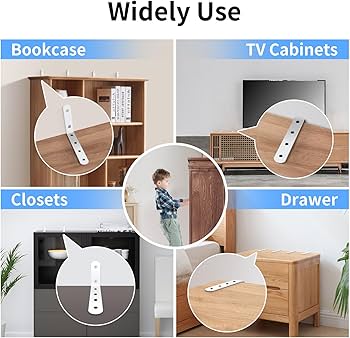
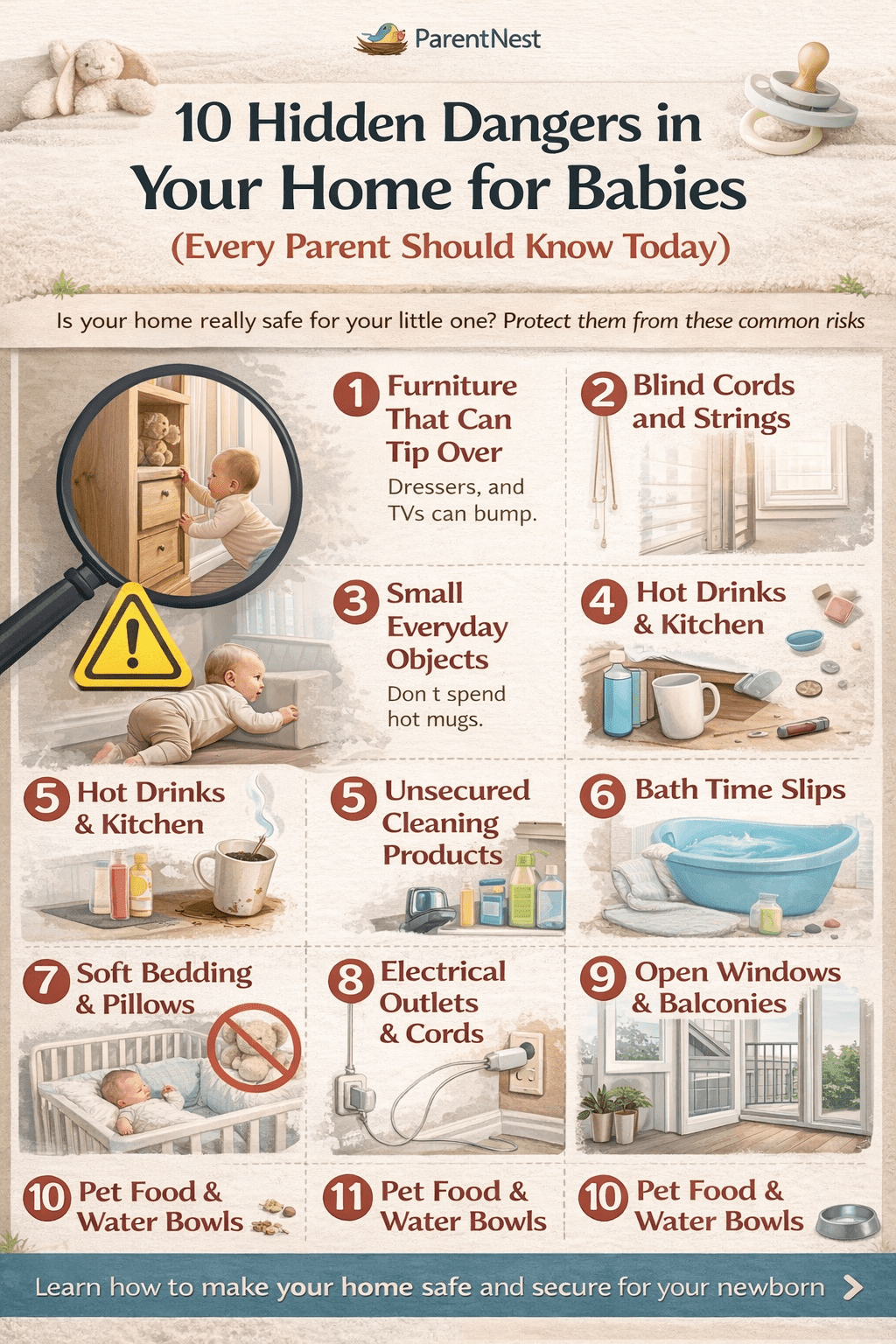
Dressers, bookshelves, and TVs can fall if a baby pulls up on them.
It only takes seconds.
The Consumer Product Safety Commission recommends anchoring heavy furniture to walls to prevent tip-over accidents.
Blind cords look like toys to babies.
But they pose serious strangulation risks.
Coins. Buttons. Battery covers. Tiny toy pieces.
If it fits through a toilet paper roll, it’s a choking hazard.
Pillows and blankets look cozy.
But babies need a firm sleep surface.
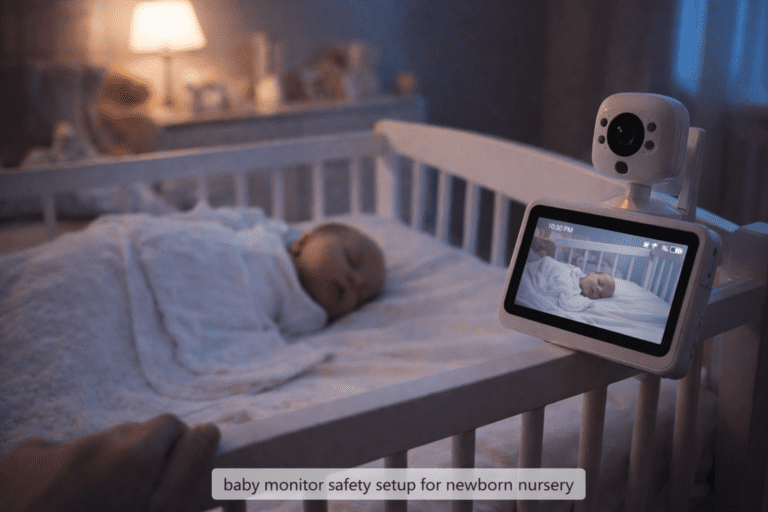
According to the American Academy of Pediatrics, babies should sleep on their back on a firm mattress without loose bedding.
You can also read our detailed guide on creating a safe sleep environment for newborns.
Coffee mugs on tables. Soup bowls. Curling irons.
Babies pull cords and tablecloths.
Cleaning supplies and medicines are often stored low.
Curious babies open everything.
Tiny fingers explore holes.
Outlets are extremely tempting.
Bathtubs. Buckets. Toilets.
Even small amounts of water can be dangerous.
Coffee tables and TV stands often have sharp edges.
When babies start walking, falls happen.
Many parents believe walkers help development.
But they increase fall risks and access to hazards.
Here’s a simple checklist you can follow today.
Feeling overwhelmed?
Take it step by step.
See the world from your baby’s level.
You’ll notice hazards you never saw before.
Make the crib area safe first.
Anchor furniture immediately.
Add cabinet and drawer locks.
Babies grow fast. Re-check regularly.
You can also follow our complete baby proofing checklist for first-time parents for a deeper room-by-room plan.
Even loving parents make these mistakes.
Remember:
Safety isn’t about fear.
It’s about preparation.
Here are helpful tools many parents use:
| Product | Why It Helps |
|---|---|
| Furniture anchors | Prevent tip-over accidents |
| Cabinet locks | Block access to chemicals |
| Corner guards | Reduce injury from falls |
| Outlet covers | Protect tiny fingers |
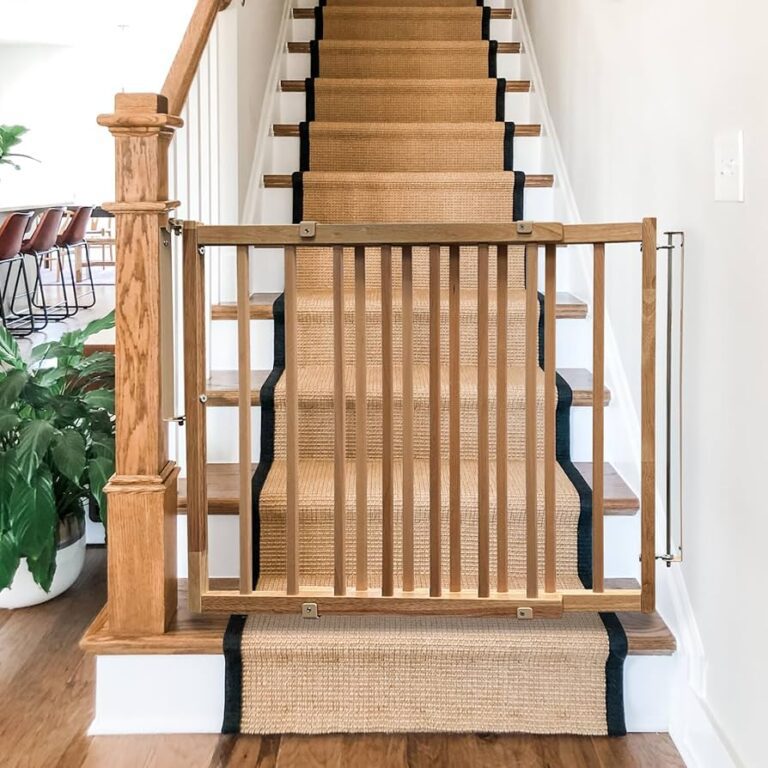
| Baby gates | Limit stair access |
Always choose products that meet safety standards and install them properly.
Baby safety at home is not about perfection.
It’s about staying alert and informed.
Start before your baby begins rolling. Preparing early prevents accidents.
Falls, choking, and tip-over accidents are among the most common.
Most experts discourage walkers due to increased fall risks.
Review your home every 1–2 months as your baby grows.
Focus on rooms your baby can access, but remember — mobility increases quickly.
Lukewarm. Always test with your wrist before placing baby in wa
The moment your baby starts moving, your home changes.
The table that once held your coffee now becomes a climbing opportunity.
The bookshelf becomes an adventure.
The world becomes exciting — and risky.
But here’s the comforting truth:
You don’t need a perfect home.
You just need awareness.
By improving baby safety at home step by step, you create a space where your little one can explore safely.
And that peace of mind?
It’s priceless.