
How to baby proof your home is one of the most important safety steps new parents can take. As babies begin rolling, crawling, and pulling up, everyday household items quickly become hazards. Learning how to baby-proof your home properly reduces preventable injuries and gives parents long-term peace of mind.
Once your baby starts rolling, crawling, or pulling up, everyday household items can quickly become safety hazards. Learning how to baby proof your home room by room is one of the most important steps in creating a safe environment for your growing child.
This comprehensive guide walks you through practical and realistic baby proofing strategies that make a tangible difference.
When Should You Start Baby-Proofing?
Most parents begin baby-proofing around:
- 4 to 6 months of age
- Before crawling begins
It’s always better to prepare early rather than react after accidents happen.
🏠 Baby Proofing the Living Room
The living room often contains furniture, electronics, and small objects within reach.
1. Secure Heavy Furniture
Babies naturally pull themselves up using:
- Bookshelves
- Dressers
- TV stands
Install anti-tip furniture anchors to prevent furniture from falling.
2. Add Corner & Edge Protectors
Coffee tables and low cabinets often have sharp edges.
Use:
- Soft corner guards
- Non-toxic adhesive padding
This reduces injury risk during falls.
3. Cover Electrical Outlets
Install:
- Tamper-resistant outlet covers
- Sliding safety plates
Electrical outlets are especially attractive to curious toddlers.
When deciding how to baby-proof your home, the living room is often the first place to secure heavy furniture and electrical outlets.
🍳 Baby-Proofing the Kitchen
The kitchen contains sharp objects, cleaning products, and heat sources.
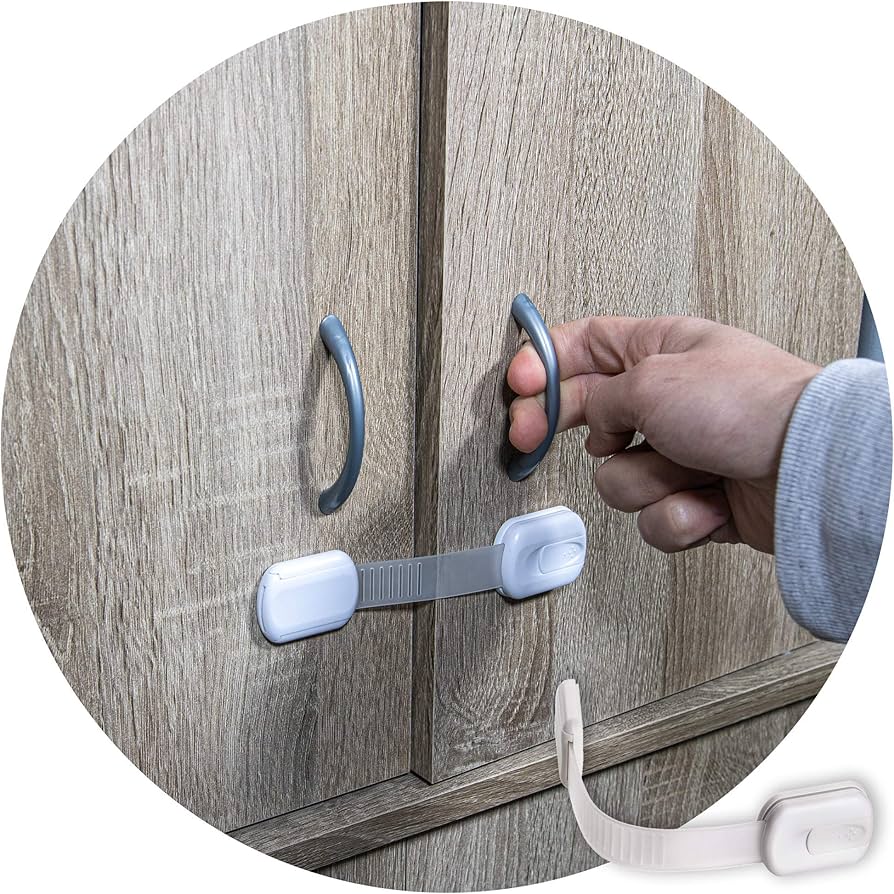
1. Install Cabinet Locks
Secure cabinets storing:
- Cleaning chemicals
- Sharp utensils
- Glass items
Magnetic or internal locks help maintain a clean look.
2. Use Stove Knob Covers
Stove knobs can be turned easily by toddlers. Covers reduce burn risks and accidental gas release.
3. Store Hazardous Items Higher
Keep:
- Detergents
- Medicines
- Small objects
Well above reach.
🛏 Baby-Proofing the Nursery
Even a nursery needs safety attention.
1. Follow Safe Sleep Practices
For safe sleep:
- Use a firm, flat mattress
- Avoid loose blankets
- Avoid pillows and stuffed toys
Minimal crib setups are safest.
For additional guidance on safe sleep recommendations, you can review pediatric safety guidelines from trusted medical organizations such as the American Academy of Pediatrics.
For additional safety recommendations, consult trusted pediatric health organizations for updated guidelines.
2. Keep Cords Away
Ensure window blind cords and monitor wires are completely out of reach.
3. Anchor Changing Tables
Babies can roll unexpectedly. Secure tall furniture to the wall.
🚪 Baby-Proofing Stairs
Stairs are one of the highest injury risks in a home.
Install Safety Gates
- Use hardware-mounted gates at the top of the stairs
- Check installation regularly
Avoid pressure-mounted gates at stair tops.
🛁 Baby-Proofing the Bathroom
Bathrooms present water and medication hazards.
1. Install Toilet Locks
Prevents accidental falls or drowning risk.
2. Lock Medicine Cabinets
Always store medicines and cleaning products securely.
🔍 Common Baby-Proofing Mistakes
Avoid these errors:
❌ Waiting until crawling begins
❌ Forgetting furniture anchors
❌ Leaving small objects within reach
❌ Relying only on supervision
Baby-proofing reduces risk, but active supervision remains essential.
✅ Complete Baby-Proofing Checklist
✔ Anchor heavy furniture
✔ Install safety gates
✔ Add cabinet locks
✔ Cover electrical outlets
✔ Remove choking hazards
✔ Secure cords
✔ Store chemicals safely
Review your home every few months as your baby grows.
How Often Should You Review Your Baby Proofing Setup?
Knowing how to baby-proof your home is not a one-time task. As your baby grows, new risks appear. Review your home every three months and after major developmental milestones like crawling or walking.
Regular checks ensure that safety gates are secure, cabinet locks still function properly, and no new hazards have been introduced.
What is the most important baby-proofing step?
Anchoring heavy furniture is one of the most critical safety measures.
Do I need to baby-proof my home before my child starts crawling?
Yes. Preparing before crawling reduces accident risk.
Are baby-proofing products expensive?
Most basic baby-proofing tools are affordable and provide long-term peace of mind.
Final Thoughts
Baby-proofing your home room by room may feel overwhelming, but taking it step by step makes the process manageable.
A safe home allows your baby to explore confidently while giving you greater peace of mind.
ParentNest is here to support thoughtful, safety-focused parenting decisions.
By understanding how to baby-proof your home step by step, you can create a safer environment that grows with your child.