
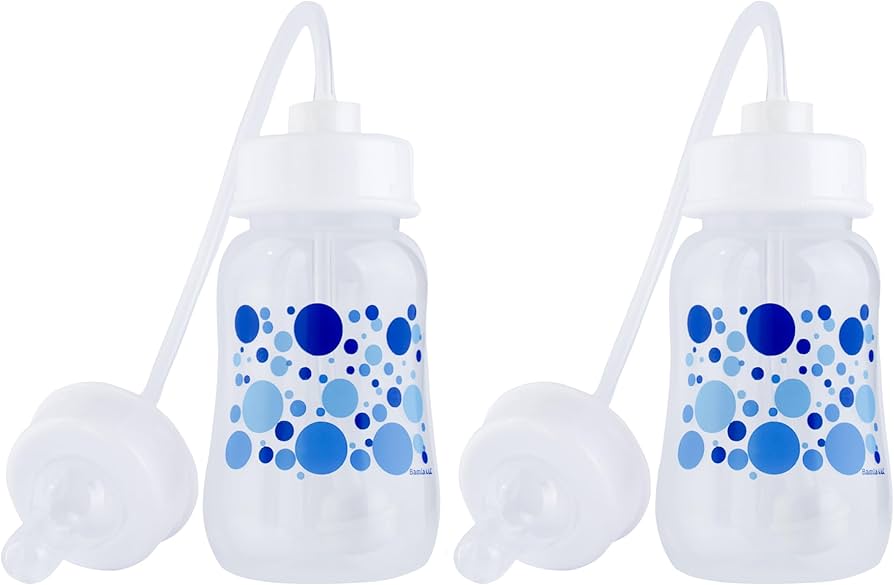
Choosing the best baby bottles for breastfed babies can feel overwhelming for new parents. Breastfed babies are used to natural latching, controlled milk flow, and close physical comfort. Introducing a bottle without disrupting breastfeeding requires careful selection.
If you’re searching for the best baby bottles for breastfed babies, this complete guide will walk you through what truly matters — from nipple design to flow rate, anti-colic systems, and safe materials.
By the end of this guide, you’ll understand how to choose a bottle that supports both your baby’s comfort and your breastfeeding goals.
Why Choosing the Right Bottle Matters
Breastfeeding and bottle feeding are very different experiences for babies.
Breastfed babies are accustomed to:
- Controlling milk flow
- Working for milk let-down
- Skin-to-skin closeness
- Variable feeding pace
If a bottle releases milk too quickly, babies may develop a preference for faster flow. This is why selecting the best baby bottles for breastfed babies is not just about convenience — it’s about protecting breastfeeding success.
What Makes the Best Baby Bottles for Breastfed Babies?
Let’s break down the essential features.
1️⃣ Wide, Breast-Shaped Nipples
One of the most important features when choosing the best baby bottles for breastfed babies is nipple shape.
Look for:
- Wide base nipples
- Soft silicone texture
- Flexible design that moves naturally
A breast-shaped nipple encourages a deeper latch similar to breastfeeding.
2️⃣ Slow Flow Nipples (Very Important)
Breast milk flow changes naturally throughout feeding. Fast-flow nipples can overwhelm babies.
The best baby bottles for breastfed babies should include:
- Slow-flow or newborn flow options
- Controlled drip design
- Adjustable flow stages
Slow flow supports paced feeding and reduces bottle preference.
3️⃣ Anti-Colic Vent Systems
Air intake during bottle feeding can cause discomfort.
Advanced venting systems:
- Reduce swallowed air
- Decrease gas buildup
- Lower fussiness
- Minimize spit-up
Parents often report improved comfort when using anti-colic bottle systems.
4️⃣ Safe & Non-Toxic Materials
Safety is essential when selecting feeding products.
Choose bottles that are:
- BPA-free
- Made from high-quality silicone, glass, or food-grade plastic
- Heat-resistant
- Easy to sterilize
Glass bottles are durable and chemical-free, while lightweight plastic options are convenient for travel.
Glass vs Plastic: Which Is Better?
Both materials can be suitable for breastfed babies.
Glass Bottles
✔ Durable
✔ No chemical concerns
✔ Easy to sterilize
Plastic Bottles
✔ Lightweight
✔ Less breakable
✔ More affordable
Choose based on your lifestyle needs and comfort preferences.
How to Introduce a Bottle Without Disrupting Breastfeeding
Successfully introducing one of the best baby bottles for breastfed babies requires strategy.
Step 1: Wait Until Breastfeeding Is Established
Many parents wait a few weeks before introducing a bottle.
Step 2: Choose the Right Time
Offer the bottle:
- When the baby is calm
- Not overly hungry
- Not overly tired
Step 3: Use Paced Bottle Feeding
Paced feeding mimics breastfeeding rhythm:
- Hold the baby upright
- Keep the bottle horizontal
- Allow natural pauses
This prevents overfeeding and supports smoother transitions.
For additional guidance on infant feeding practices, parents can review recommendations from the World Health Organization.
Signs You’ve Chosen the Right Bottle
You likely found the best baby bottles for breastfed babies if:
- Baby maintains a deep latch
- Milk doesn’t leak excessively
- Baby remains calm during feeding
- There is minimal gas discomfort
- Baby transitions back to breast easily
Remember, some experimentation may be required.
Common Mistakes Parents Make
Avoid these frequent mistakes:
❌ Introducing the bottle too early
❌ Switching between too many bottle types
❌ Choosing fast-flow nipples
❌ Ignoring baby’s feeding cues
❌ Forcing the bottle when the baby resists
Consistency and patience matter more than speed.
How Many Bottles Do You Really Need?
For mixed feeding:
- 4–6 bottles are often sufficient
- Extra nipples for backup
- Separate a bottle brush for hygiene
Overbuying early can waste money if your baby prefers a specific style.
Cleaning & Sterilization Best Practices
Hygiene is critical for infant feeding.
Best practices include:
- Wash bottles immediately after use
- Use a dedicated bottle brush
- Sterilize regularly during early months
- Allow bottles to air dry completely
Proper cleaning extends bottle’s lifespan and protects baby’s health.
When to Upgrade Nipple Flow
As babies grow, milk intake changes.
Signs it may be time to increase flow:
- Baby becomes frustrated
- Feeding takes excessively long
- Baby collapses nipple while sucking
However, avoid rushing flow upgrades if breastfeeding continues.
What are the best baby bottles for breastfed babies?
The best baby bottles for breastfed babies include wide, soft nipples with slow flow and anti-colic venting systems.
Can introducing a bottle cause nipple confusion?
It can if introduced too early or if the flow is too fast. Choosing slow-flow nipples reduces this risk.
Is glass safer than plastic?
Both are safe when BPA-free and high quality. Glass eliminates chemical concerns, while plastic offers convenience.
How do I prevent bottle preference?
Use paced feeding, slow-flow nipples, and maintain regular breastfeeding sessions.
Expert Tips for Long-Term Feeding Success
✔ Maintain skin-to-skin contact
✔ Use a consistent bottle type
✔ Keep feeding calm and relaxed
✔ Avoid forcing feeds
✔ Observe baby cues carefully
The goal is flexibility without disrupting breastfeeding comfort.
Final Thoughts
Finding the best baby bottles for breastfed babies requires thoughtful selection. Focus on natural nipple shape, slow flow, safe materials, and baby comfort.
With the right bottle and a patient approach, you can support breastfeeding while gaining flexibility in your feeding routine.
ParentNest is committed to providing clear, practical guidance that supports confident parenting decisions.